Pleated cells that hold a pocket of air against the glass. The only treatment we sell that measurably changes what a room costs to cool.
Look at a cellular shade and you see why it works: rows of hollow cells, each one holding still air between the room and the window. Air is a poor conductor, which is the whole trick. Nothing else we fit puts an insulating layer in front of the glass.
In Delray, the afternoon sun hits west-facing walls hardest, and that is where this insulation makes a real difference. When the problem is heat rather than light, this is the shade we recommend.


Single cell is slimmer and stacks tighter at the head. Double cell has two rows of pockets instead of one and insulates noticeably better, at the cost of a deeper stack. Cell size changes both the look and the performance.
Light filtering glows softly and keeps the cell structure visible from inside. Room darkening cuts most of it, and is what a nursery or an east-facing bedroom actually needs. For true blackout, side channels are required to close the light gaps at the edges.
Top-down bottom-up is worth knowing about here more than anywhere else: it lowers from the top so you keep daylight and lose the sightline, which is the answer on a street-facing window.
Inside the recess shows the trim and lets the shade sit tight to the glass, which is where the insulation works best. Outside mount blocks more edge light but loses a little of the thermal benefit.
Cellular takes an angle better than most treatments, because the pleats can run parallel to a rake. Arches and circles are usually fixed panels rather than operable.
The afternoon sun on a west elevation is the single biggest load on a Florida house. A cellular shade on that glass is the most cost-effective thing we can do about it.
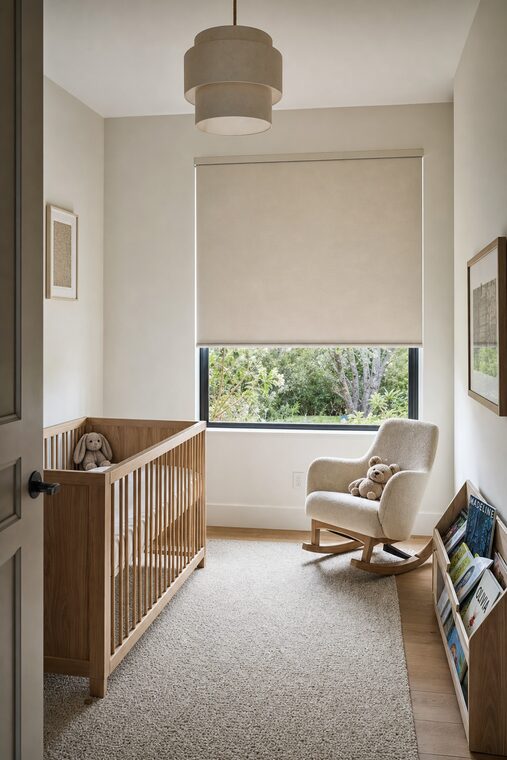
Blackout cells cut the light and take some of the noise with it. Cordless as standard, because it is a child's room.
Top-down bottom-up lowers from the head, so you keep the daylight and the sky and lose the view in from the pavement.
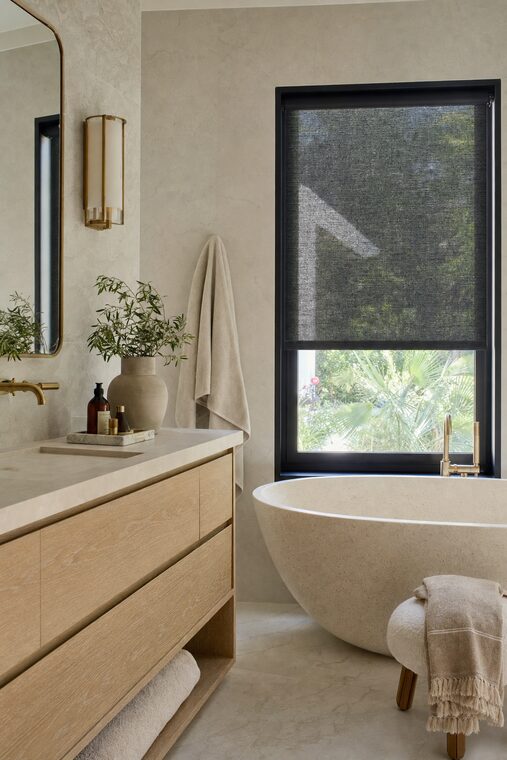
They solve the same problem from opposite ends. A solar screen cuts glare and heat while keeping the view, so you still see out. A cellular shade insulates far better but you see nothing through it.
West-facing living room where the view matters: solar. Bedroom, nursery, or a wall you just want to keep cool: cellular.
All shadesThey reduce heat gain through the glass they cover, which is the part of the room you can do something about. How much that shows up on a bill depends on how much of your glass is treated and which way it faces.
Less than people expect, because they are sealed at both ends. A feather duster along the pleats once in a while is all they need.
Yes, and this is where cellular beats most treatments. The pleats can be cut to run parallel with a rake, so the shade follows the slope rather than boxing across it.
They take the edge off, because the cells hold air. Nobody should buy them as soundproofing.
Three rooms, three different reasons for choosing the same treatment.

One flat panel, nothing on show when it is up, and the easiest of all of them to motorize.
See the range →
Soft folds and real fabric, where a cellular shade would read too technical.
See the range →
Every shade here can take a motor, including cellular. Rechargeable, hardwired, or solar.
See the range →Book a free in-home consultation. We will bring the samples, take the measurements, and leave you with a proper quote.